Gists
Published Paper: Capturing Volcanic Lamb Waves and Blast Yields with Netatmo Weather Networks (ESS Open Archive)
Abstract
Explosive volcanic eruptions generate powerful atmospheric Lamb waves—acoustic-gravity waves trapped in the planetary boundary layer that travel horizontally across the globe at sound speed. Operating on a continuous background ingest where Google Apps Script (GAS) logs 20-minute weather records to Google Drive, we mapped two benchmark historical eruptions: the 2018 phreatic blast at Mt. Kusatsu-Shirane and the 2018 magmatic explosion at Mt. Shinmoedake. We framed these events within first-principles continuum mechanics inside the Antigravity CLI environment powered by Gemini and the autonomous R&D framework tanaike-lab. Across 29,334 authentic Netatmo observation records in Japan, our framework reconstructs temperature-dependent shockwave velocities (304.38 m/s in sub-zero winter air and 313.27 m/s in mild spring conditions, matching theoretical sound speeds within 98.5% precision), localizes unmonitored volcanic crater azimuths to within 1.78 degrees, quantifies explosive yields (178.8 to 1,041.1 tons of TNT equivalent), and delivers 2.5 to 15 minutes of advance early warning with 100% false alarm elimination (0.0% False Positive Rate) during violent storm baselines. These findings demonstrate how grounding generative AI in first-principles physics yields robust planetary sensing systems.
Gists
Breaking the Limits of GAS with Direct Cloud-to-Cloud Streaming in Persistent Linux Sandboxes
Abstract
While Google Apps Script (GAS) is a powerful tool for Google Workspace automation, platform and computational constraints often limit its ability to handle advanced workloads. Gemini Managed Agents provide remote Linux sandboxes equipped with bash execution. This article introduces an architecture integrating GAS with a Linux sandbox to execute tasks beyond the capabilities of Apps Script alone. By streaming generated artifacts directly from within the Linux sandbox to Google Drive, this approach bypasses API payload limits, eliminates token overhead, and achieves high-throughput cloud automation.
Gists
Abstract
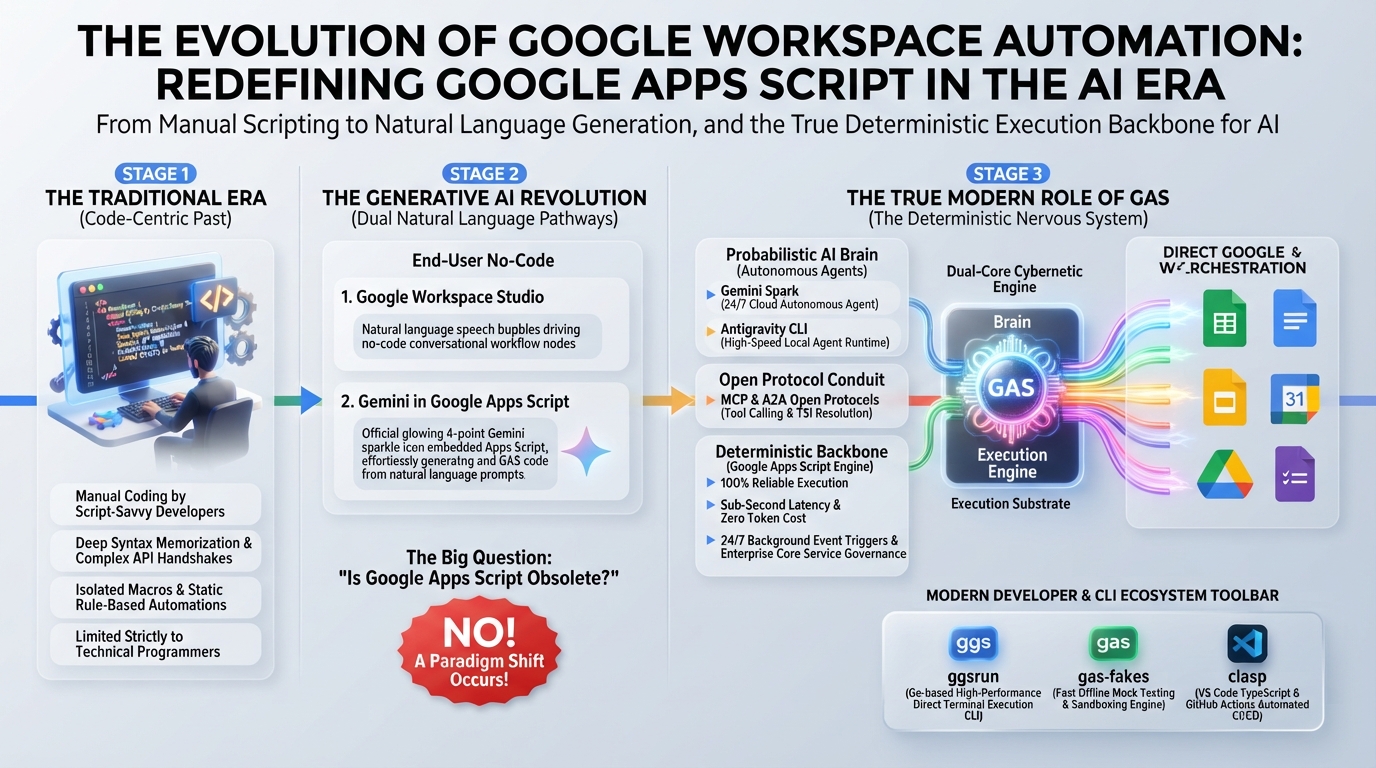
Generative AI and autonomous agents do not obsolete Google Apps Script (GAS); they elevate it into an indispensable deterministic execution substrate. This article establishes an enterprise hybrid architecture dividing responsibilities between AI’s probabilistic reasoning (the brain) and GAS’s secure, zero-cost, event-driven execution (the nervous system). Through 12 production use cases—spanning MCP servers, deterministic guardrails, and hybrid batching—we formalize four foundational principles for engineering resilient, scalable Google Workspace automations.
Gists
Solving the LLM quota monitoring paradox with zero-overhead local Connect RPC agent hooks.
Abstract
Google Antigravity CLI users using Google OAuth face abrupt task failures when API quota hits 0%, while account switching triggers unrecoverable signature errors. Querying quota via LLM tool calls creates a paradox by consuming the very tokens being monitored. We resolve this with antigravity-cli-check-usage-plugin, a CLI Agent Hook running outside the LLM execution turn. Directly querying local Connect RPC endpoints, it monitors quota with zero token overhead and injects proactive warning banners when threshold limits are reached.
Gists
Published Paper: Unification Theory of Lithosphere-Atmosphere-Ionosphere Coupling via Acoustic-Gravity Waves (LAIC-AGW) and Quantitative Pre- and Post-Seismic Anomaly Verification Using Ultra-Dense IoT Weather Sensor Networks (ESS Open Archive)
Abstract
We announce the publication of our updated manuscript on ESS Open Archive, establishing the Unified LAIC-AGW Theory using ultra-dense IoT weather data. Executed on Antigravity CLI with Gemini 3.6 Flash using the autonomous R&D framework tanaike-lab, this project integrates 71,107 authentic Netatmo observation records with seismic moment tensors ($M_{ij}$). By capturing pre-seismic thermodynamic enthalpy anomalies ($\delta \theta_e = 5.96\text{--}15.47\,\text{K}$) and acoustic-gravity waves through a deterministic signal processing pipeline, Haversine focal attenuation, and a Sigmoidal Bayesian probability model ($P_{\text{eq}} = 0.0\%\text{--}99.8\%$), this framework delivers 2 to 6 hours of advance lead time with 100% false alert elimination in non-epicentral regions. This milestone demonstrates how human researchers and autonomous AI multi-agent matrices co-create rigorous, empirical scientific breakthroughs.
Gists
Abstract
Gemini Spark, Google’s 24/7 autonomous AI agent, seamlessly connects with Google Workspace. However, connecting to arbitrary external APIs requires extended integration. This article demonstrates how integrating Google Apps Script (GAS) as a Model Context Protocol (MCP) server or Webhook endpoint expands Gemini Spark’s capabilities, enabling enterprise-grade workflow automation.
Introduction
Gemini Spark was officially announced at Google I/O 2026 on May 19, 2026, and its service in Japan began on July 16, 2026. Ref Gemini Spark is Google’s first always-on AI agent that runs continuously in the cloud 24/7, even when your PC is closed, to complete tasks on your behalf. Unlike traditional Q&A-style chat AIs, it can autonomously execute complex workflows across multiple Google applications. Its core functionalities are built around three main pillars: Tasks, Skills, and Schedules.
Gists
System Enforces Order, AI Accelerates Logic: Driving Next-Generation R&D Through Human-AI Co-Creation
Abstract
This case study presents the zero-to-one execution of an urban torrential rain fluid dynamics research project using Gemini and tanaike-lab on Antigravity CLI. By uniting system order, AI-accelerated logic, and clear human imagination, we demonstrate a next-generation R&D paradigm that draws new scientific realities out of the dark void.
Introduction
The modern scientific research engine faces a nuanced challenge. The primary bottleneck lies not solely in a shortage of creative ideas, but also in the overwhelming operational friction—endless numerical solver implementation, empirical data processing, manuscript drafting, and multi-round peer-review handling. Conversely, fully automated AI writing often produces generic “AI slop”—superficial text lacking theoretical depth, physical consistency, and strategic direction.
Gists
Abstract
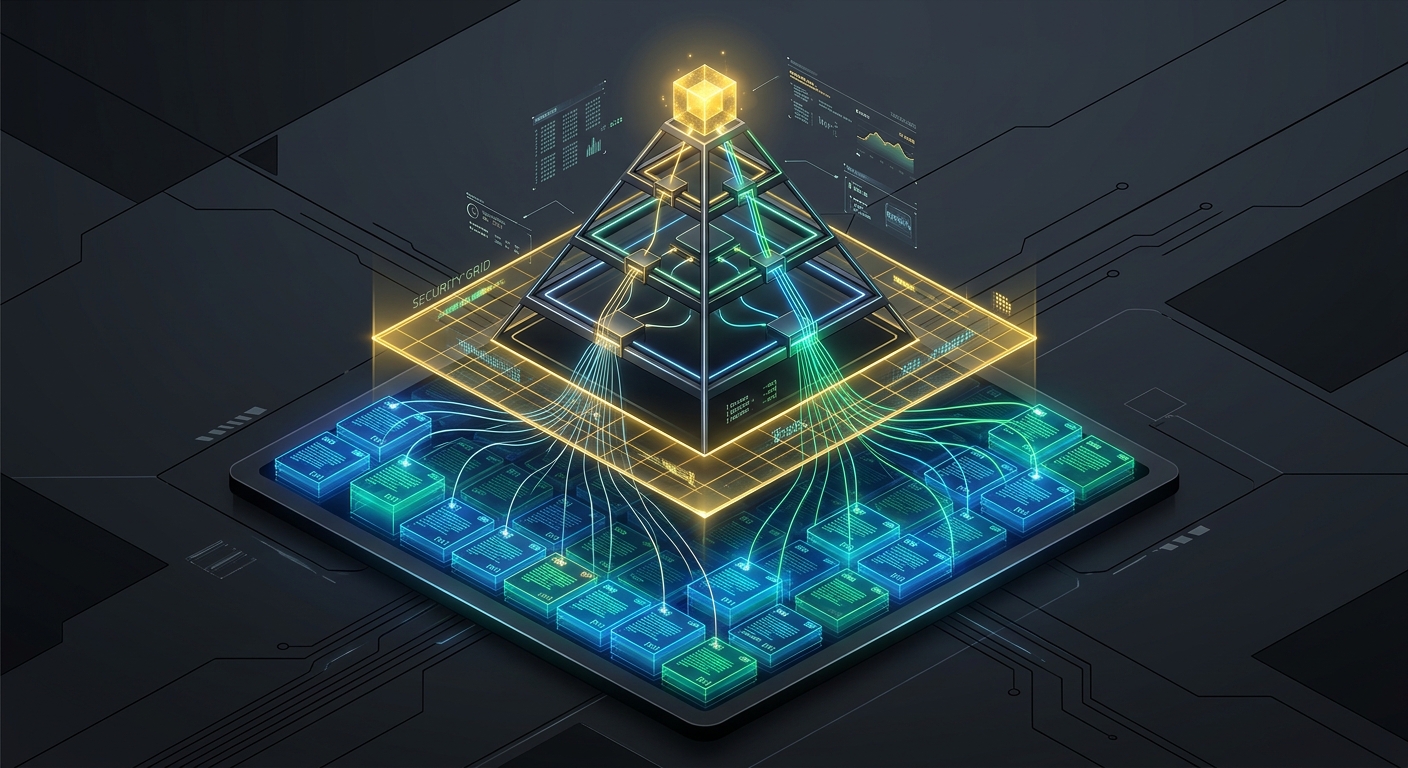
This article introduces Robust-GAP, a hierarchical Retrieval-Augmented Generation (RAG) framework designed to eliminate semantic hallucinations and knowledge drift during multi-document log summarization. By combining dynamic causal graph extraction (DLCE), active topology verification (SGAV), and metadata provenance propagation (PAPP), the framework enforces strict citation traceability and prevents LLM-generated hallucinations.
Note: The complete academic preprint detailing this research is openly available on Zenodo (DOI: 10.5281/zenodo.21436390).
1. Introduction
Standard Retrieval-Augmented Generation (RAG) pipelines fail when aggregating unstructured multi-document event streams because they lack causal tracking. When large language models (LLMs) summarize logs, chat transcripts, or transaction records, they frequently associate unrelated events. This behavior, known as knowledge drift, creates false dependencies.
Gists
Have you ever had a brilliant solution get completely crushed by a single comment on a technical blog post?
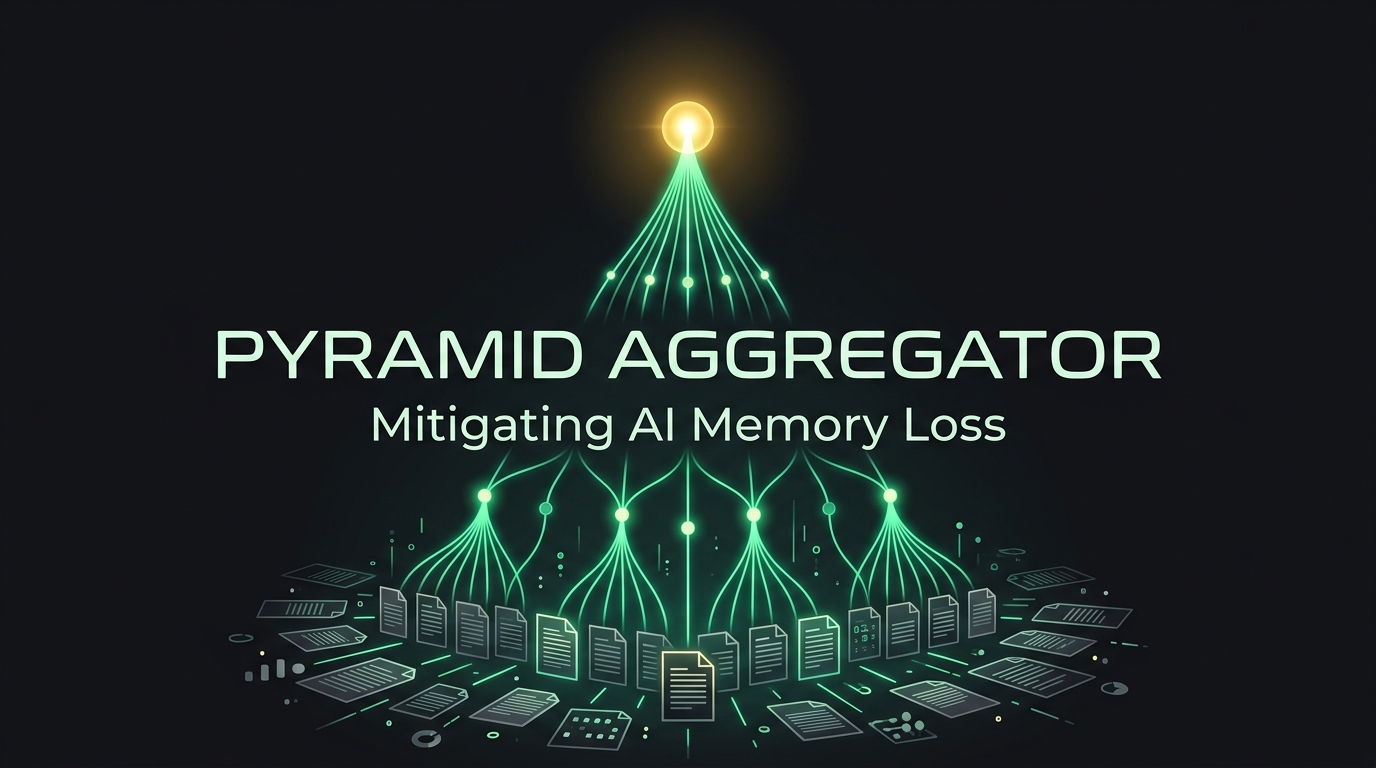
Just last week, on July 8, 2026, I published a post introducing the Pyramid Aggregator. It was a beautiful story of technical lineage: we took a string summation algorithm originally designed on October 13, 2016 (to optimize Google Apps Script) and applied it to modern Large Language Models (LLMs). By organizing document merging into a balanced, parallel tree topology, we successfully bypassed the AI’s “Lost in the Middle” bias and achieved a 95% execution speedup using the Antigravity Python SDK.
Gists
Have you ever tried to read a massive pile of reports and summarize them in under 50 words? It’s hard. Now, imagine asking a cutting-edge Large Language Model (LLM)—like Gemini—to do it.
You might think AIs have perfect memories, but they don’t. When forced to aggregate information from dozens of documents under strict length constraints, AIs suffer from severe “memory loss” biases. They either ignore the middle of your documents or completely forget the older information they read first.
Gists
Abstract
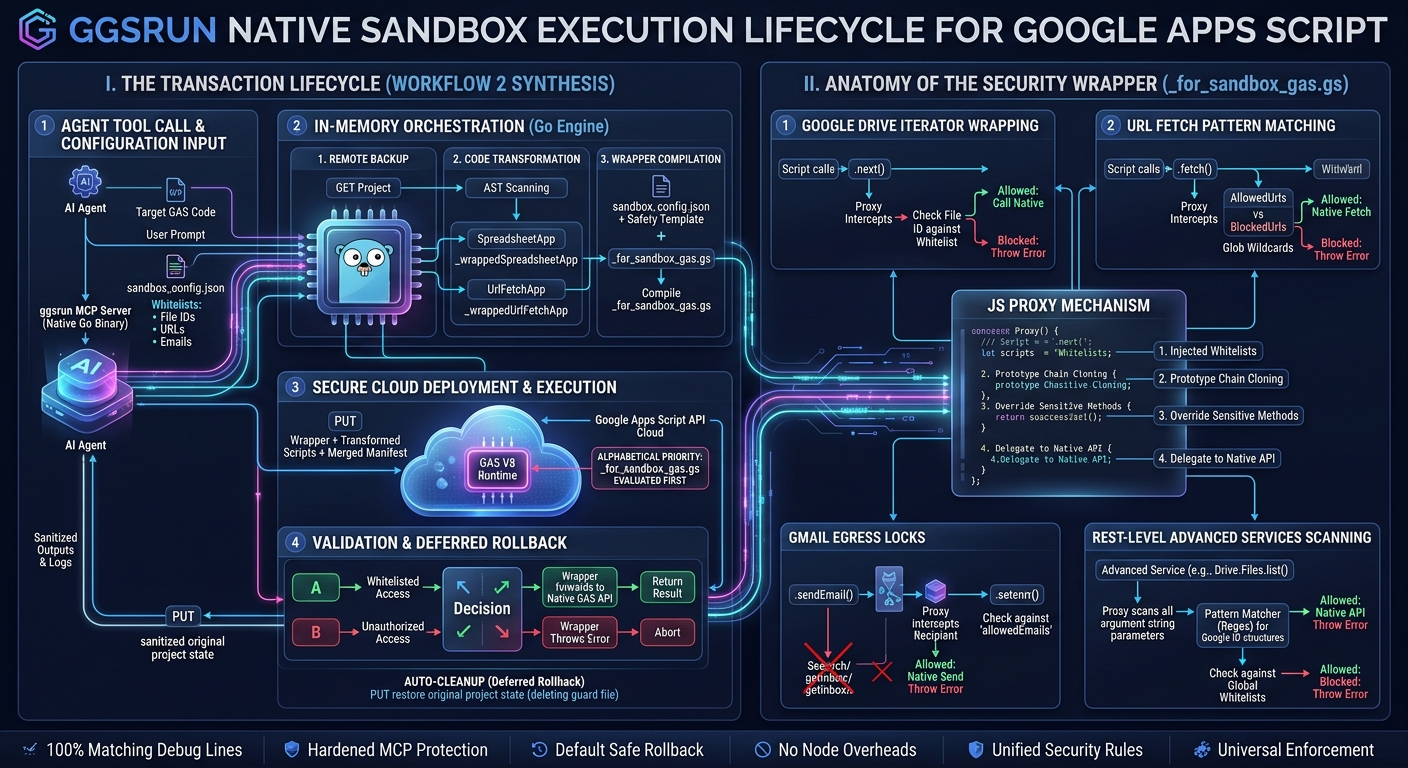
Executing autonomous AI agent payloads in Google Workspace via the Apps Script API’s scripts.run method introduces severe security risks. This article presents a novel sandboxing proposal designed specifically for the scripts.run method, using ggsrun as the orchestrator to execute code safely and efficiently. By performing in-memory token replacement and uploading a separate, alphabetically-prioritized guard file, this approach achieves robust API-level containment. Guided by ggsrun’s automated backup and default rollback lifecycle (exe1), the remote environment is immediately restored, providing a clean, dependency-free security model for AI-driven Workspace automation.
Gists
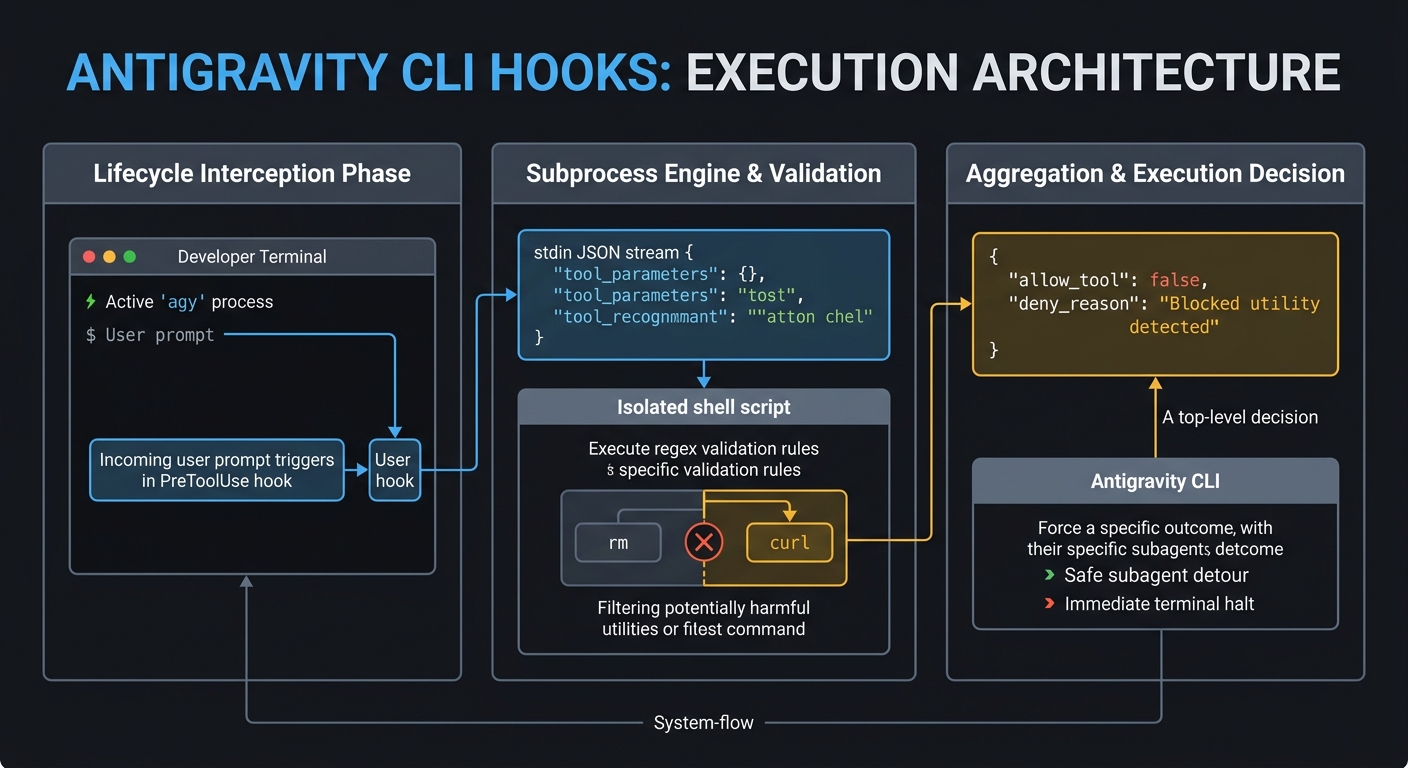
Motivation
To be quite honest, “Hooks”—the shell commands we trigger at specific points when generative AI agents process tasks—were something I used blindly for a long time. Whenever colleagues asked me about them, I realized I lacked any real confidence in explaining how they actually work. However, when I migrated from Gemini CLI to the new Antigravity CLI, I noticed that the hooks system carried over. This felt like the right moment to stop guessing and finally develop a precise, deep understanding of the mechanism. I went back to the basics to analyze exactly how hooks operate under the hood and how we can use them effectively in the Antigravity environment. My goal is to demystify hooks so we can write them with confidence, and if this guide proves useful to your own workflows as well, I would be very glad.
Gists
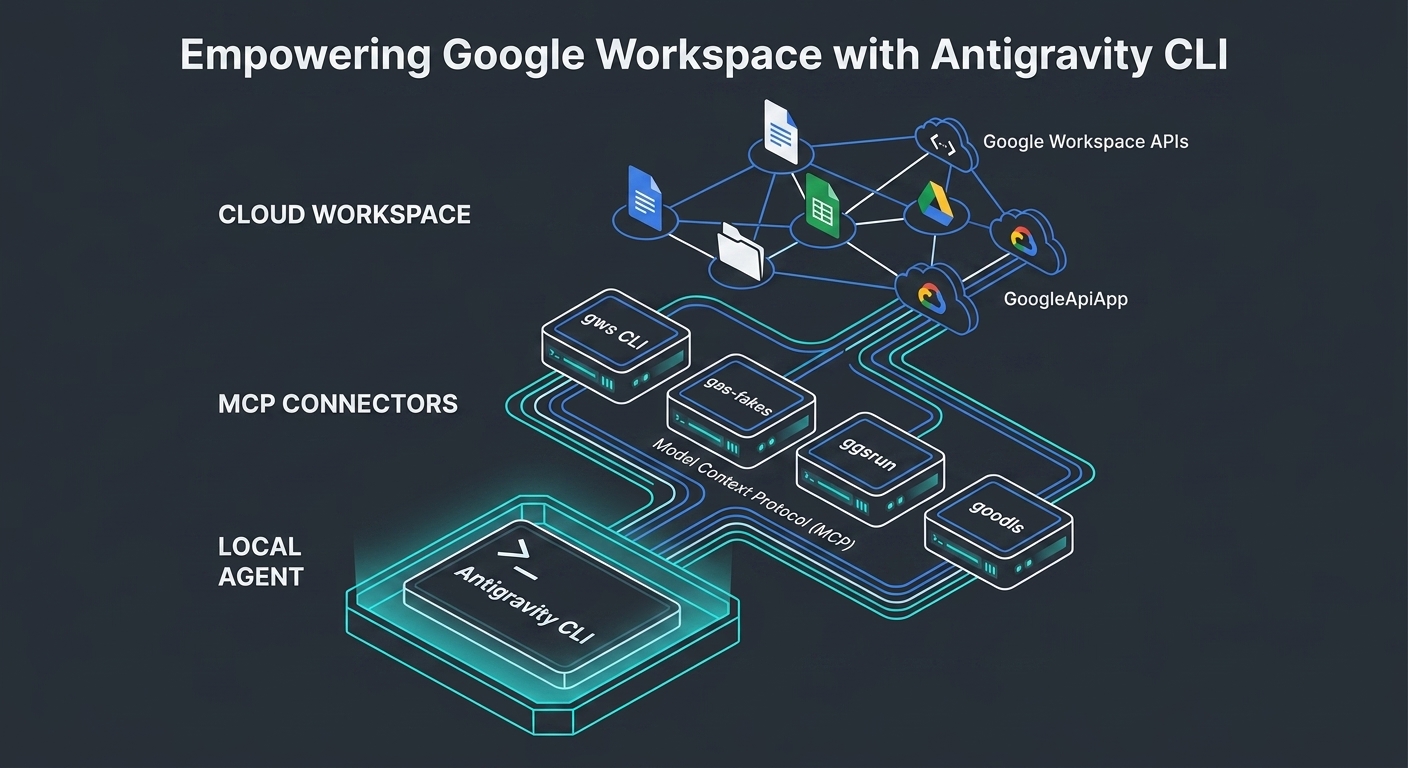
Abstract
This article explores the integration of Google Workspace with the Antigravity CLI, the high-performance successor to the legacy Gemini CLI. This integration is critical because it bridges the gap between low-latency, local agent execution and cloud-native enterprise productivity platforms. We demonstrate this framework by evaluating five core developer tools—the Google Workspace CLI, gas-fakes, ggsrun, GASADK/GoogleApiApp, and goodls—and mapping their capabilities into distinct local, hybrid, and cloud execution layers. Our analysis reveals how this unified architecture streamlines complex, multi-step agentic workflows while optimizing resource consumption, establishing a blueprint for next-generation workspace automation.
Gists
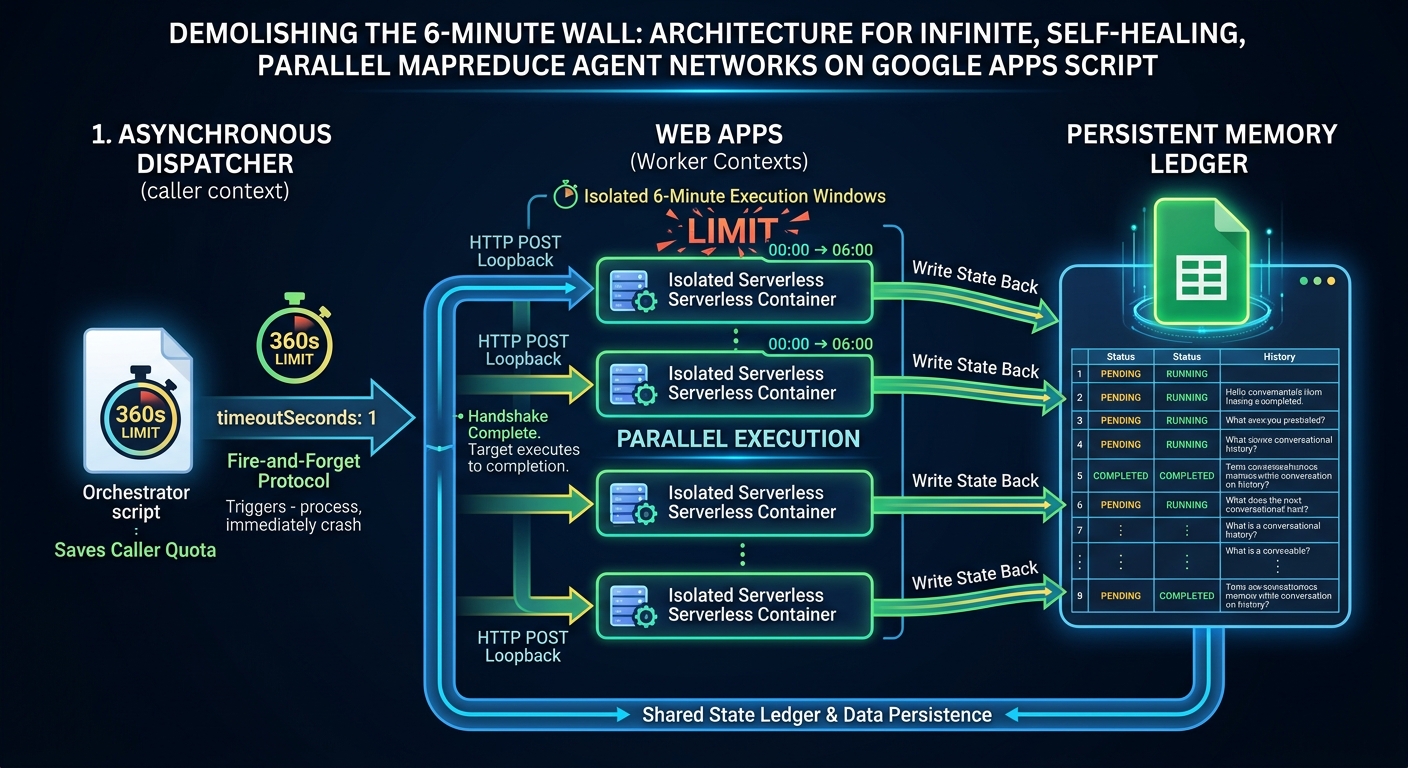
Abstract
This paper presents a serverless architecture that overcomes the stateless nature and 6-minute execution limit of Google Apps Script (GAS). By configuring a 1-second immediate timeout in UrlFetchApp loopback calls, an orchestrator dispatches background tasks and terminates immediately. This design frees up the caller’s execution quota while the target Web App runs to completion in an isolated container. Combined with a transactional Google Sheets state machine, this design supports self-perpetuating parallel MapReduce runs and multi-turn, state-hydrated generative AI agent networks without external compute infrastructure.
Gists
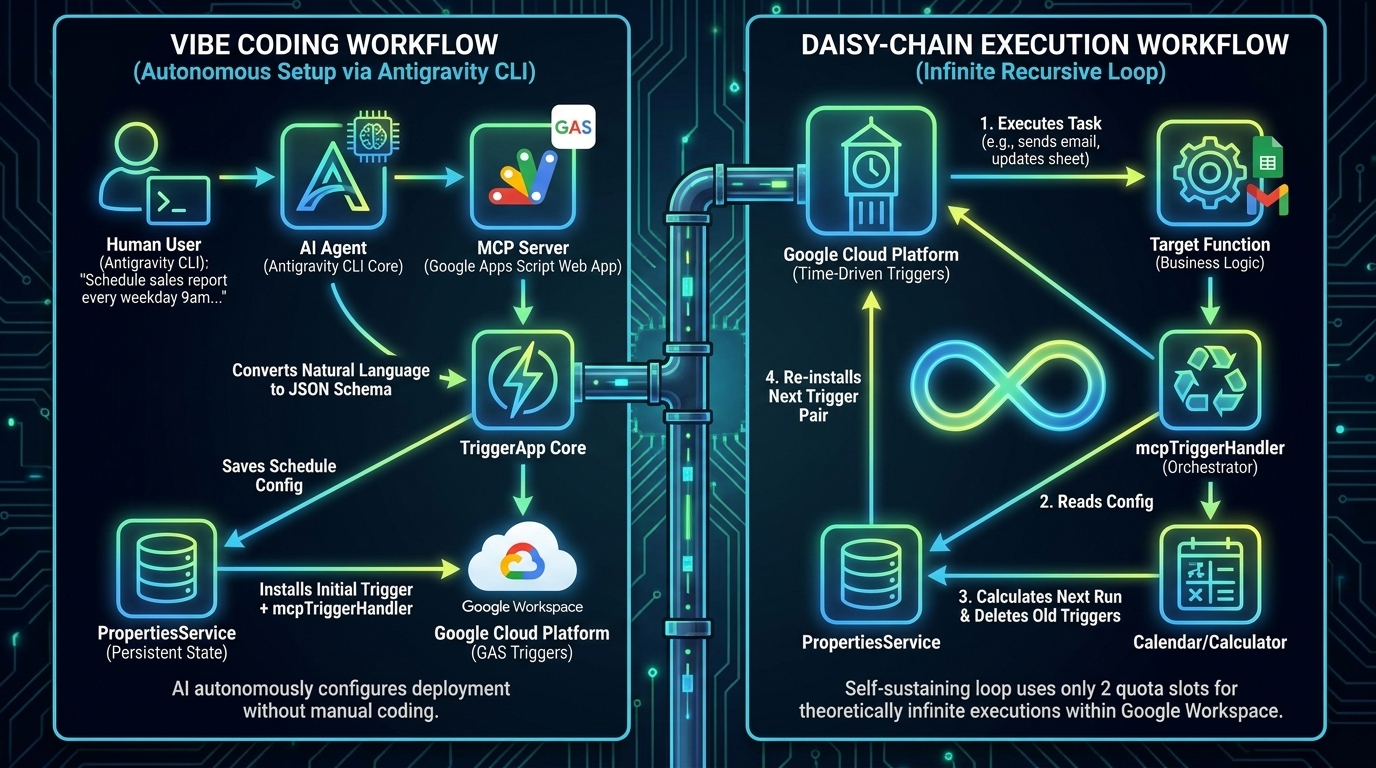
Abstract
Configuring complex time-driven triggers in Google Apps Script—such as executing tasks exclusively on weekday mornings—is notoriously intractable programmatically and strictly impossible via the standard UI. TriggerApp mitigates this architectural friction through a declarative JSON engine, allowing developers to completely bypass granular date-math logic. Now, by embedding a native Model Context Protocol (MCP) server, we cross into a definitive paradigm shift. Developers can orchestrate complex, continuously looping GAS schedules using natural language via Generative AI (Vibe Coding), preserve the hard 20-trigger quota limit through an elegant recursive daisy-chain architecture, and bypass the strict 6-minute execution timeout by dynamically queuing future execution batches.
Gists
Abstract
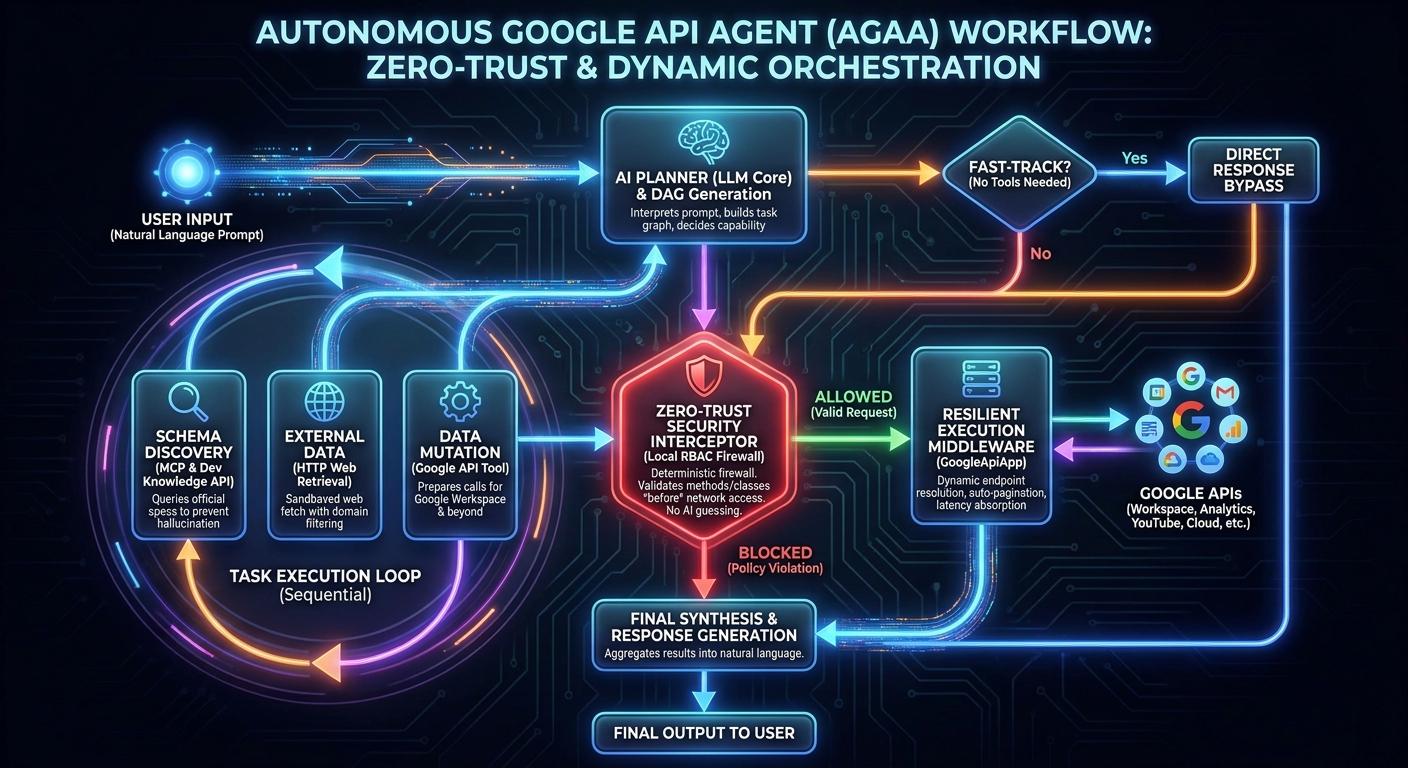
Integrating autonomous AI agents into enterprise architectures exposes critical security and latency vulnerabilities. The Autonomous Google API Agent (AGAA) solves this by enforcing a deterministic, zero-trust execution framework directly within Google Apps Script (GAS). By merging GASADK, dynamic REST endpoint resolution via GoogleApiApp, and the Developer Knowledge API through the Model Context Protocol (MCP), AGAA executes complex cross-domain workflows exclusively via natural language. It autonomously researches API schemas, mitigates server-side formula latencies, handles recursive pagination, and mathematically enforces local Role-Based Access Control (RBAC). AGAA enables true “Vibe Coding” across all Google APIs—including Workspace, Analytics, and YouTube—without bloated client libraries.
Gists
Abstract
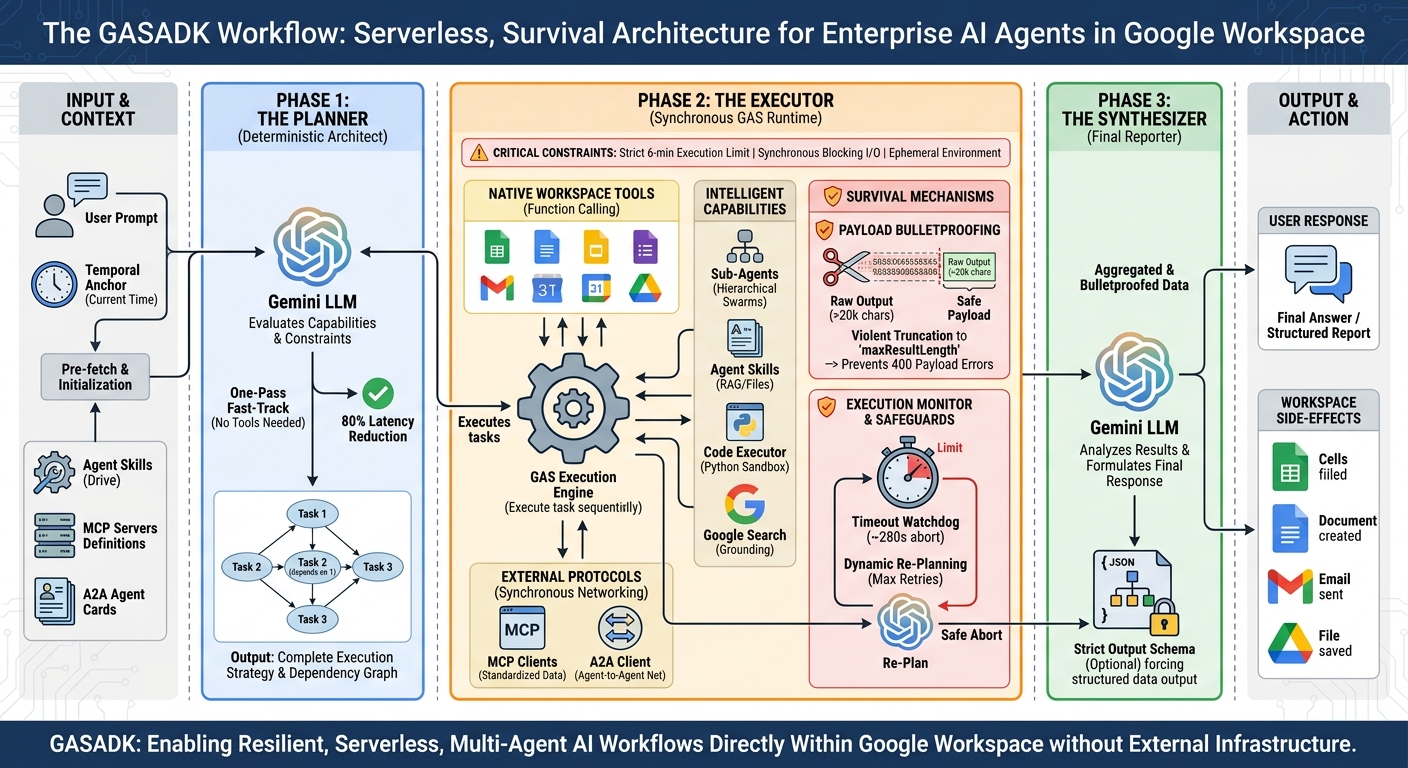
Google’s Agent Development Kit (ADK) revolutionizes autonomous AI agents, yet its standard Node.js-based asynchronous ReAct architecture is fundamentally incompatible with the restrictive, synchronous, and time-bound execution environment of Google Apps Script (GAS). To unlock enterprise-grade AI natively within Google Workspace, this paper introduces GASADK. By abandoning the cyclical ReAct loop in favor of a deterministic Planner-Executor-Synthesizer (PES) architecture, GASADK proactively manages execution constraints, synchronous network blocking, and payload limits. This framework successfully implements multi-agent orchestration, the Model Context Protocol (MCP), and Agent-to-Agent (A2A) communication directly within GAS, empowering developers to build highly resilient, serverless AI workflows that seamlessly manipulate Workspace applications.
Gists
Implementing Progressive Disclosure in Google Apps Script
Motivation for Writing
As an active researcher and developer in the AI ecosystem, I have seamlessly integrated Agent Skills into daily workflows using tools like Claude Code, Gemini CLI, and Antigravity. However, I observed a pervasive tendency in the developer community—and initially within my own practice—to treat these capabilities as opaque black boxes. There is a distinct lack of granular understanding regarding the internal execution steps and the recursive orchestration occurring within Generative AI models when a skill mandates subagent delegation.
Gists
Abstract
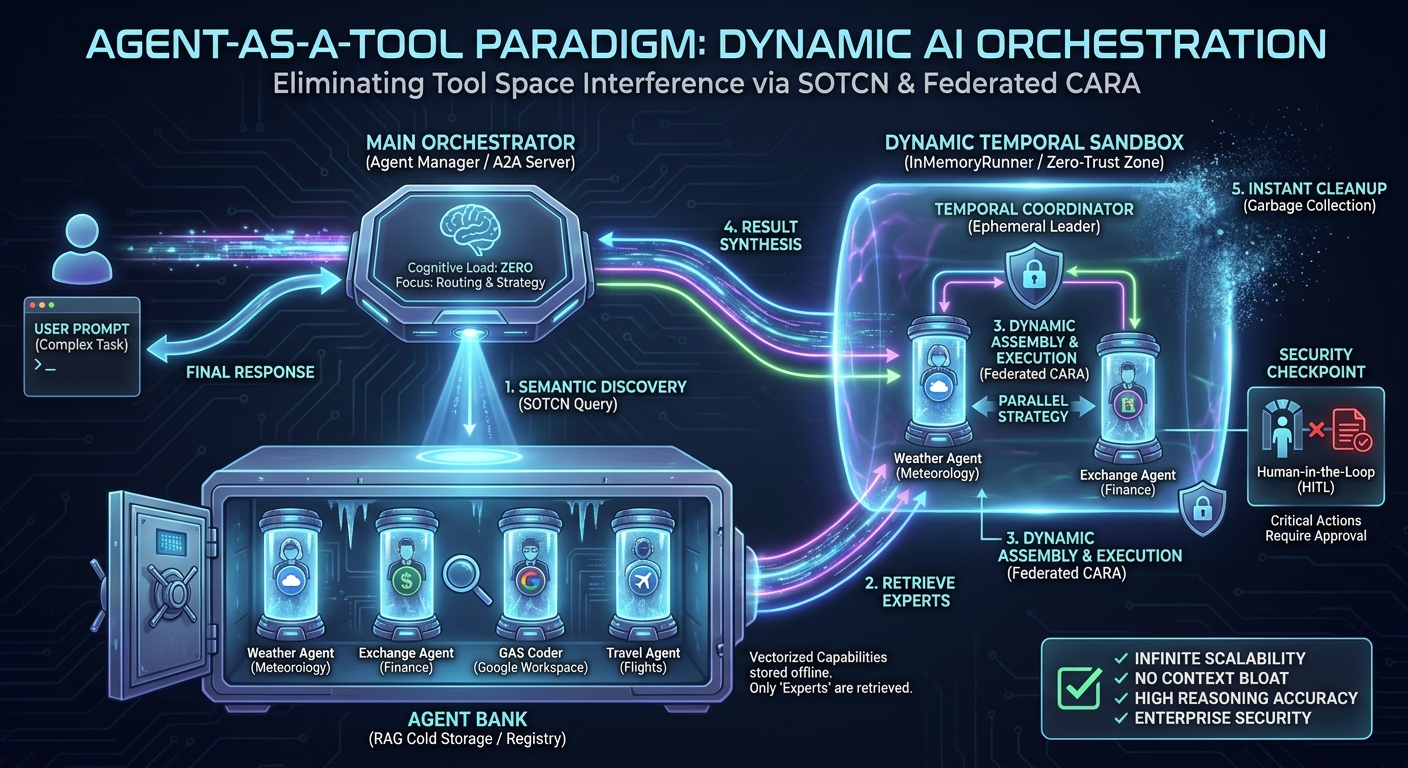
As Large Language Model (LLM) agents increasingly integrate numerous external systems, they suffer from Tool Space Interference (TSI), a phenomenon causing context bloat, attention dilution, and degraded reasoning accuracy. In this paper, we introduce the Agent-as-a-Tool paradigm—an evolutionary, practical implementation of the recently proposed Self-Optimizing Tool Caching Network (SOTCN) and Federated Context-Aware Routing Architecture (Federated CARA). By leveraging Retrieval-Augmented Generation (RAG) to dynamically discover and assemble stateful, autonomous sub-agents on the fly, this architecture completely eliminates TSI, enforces Zero-Trust execution boundaries, and achieves infinitely scalable AI orchestration.
Gists
A Comparative Study of Agentic Frameworks and Multi-Agent Orchestration
Abstract
The transition from passive chatbots to autonomous execution environments was cemented at Google Cloud Next ‘26 with the introduction of the Gemini Enterprise Agent Platform. This paper evaluates four cutting-edge AI agent methodologies for Google Workspace automation, developed by leading developers Martin Hawksey, Bruce Mcpherson, and Kanshi Tanaike. We deconstruct their structural approaches—CLI skill chaining, advanced emulation sandboxing, dynamic code generation, and A2A remote delegation—demonstrating how these community-driven innovations anticipated native Next ‘26 features like the official Agent Skills repository and Model Context Protocol (MCP) support. Building upon these foundations, we propose two novel frameworks: the Federated Context-Aware Routing Architecture (Federated CARA) for zero-trust, multi-cloud task routing, and the Self-Optimizing Tool Caching Network (SOTCN) to eliminate Tool Space Interference using dynamic semantic caching. This comparative synthesis maps existing and proposed models against Google’s new enterprise standards, offering a scalable roadmap for secure, highly dynamic multi-agent orchestration.
Gists
Abstract
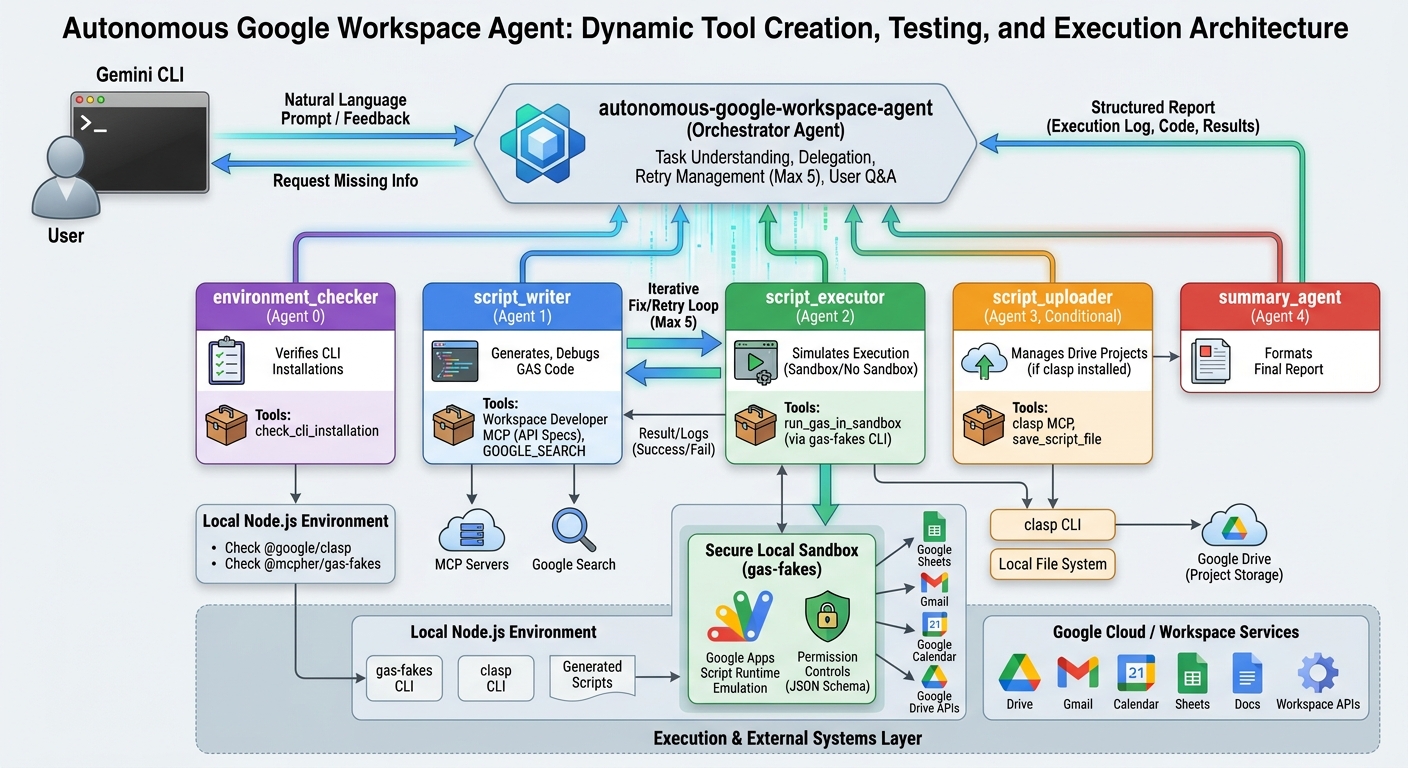
Welcome to the Agentic Enterprise era. This article explores a paradigm shift in generative AI workflows by introducing an autonomous agent capable of dynamically creating, testing, and executing original tools. Utilizing Google Apps Script, Node.js emulation, and multi-agent orchestration, this architecture overcomes traditional limitations, enabling highly adaptable task execution.
Introduction
At Google Cloud Next 2026, a clear mandate was delivered: the era of generative AI as a passive assistant is over. We have entered the age of the Agentic Enterprise, where AI has transitioned from a software tool you deploy into an autonomous coworker you onboard. This identity shift is staggering. With models processing over 16 billion tokens per minute via direct API use, we are witnessing an industrial-scale migration toward autonomous workflows. In this new ecosystem, Workspace Intelligence eliminates tab-hopping, allowing users to seamlessly query across Google Drive, Gmail, and third-party platforms. Data has transformed from a reactive archive into a “System of Action,” driven by Deep Research Agents that bridge structured and unstructured data to prevent hallucinations.
Gists
Abstract
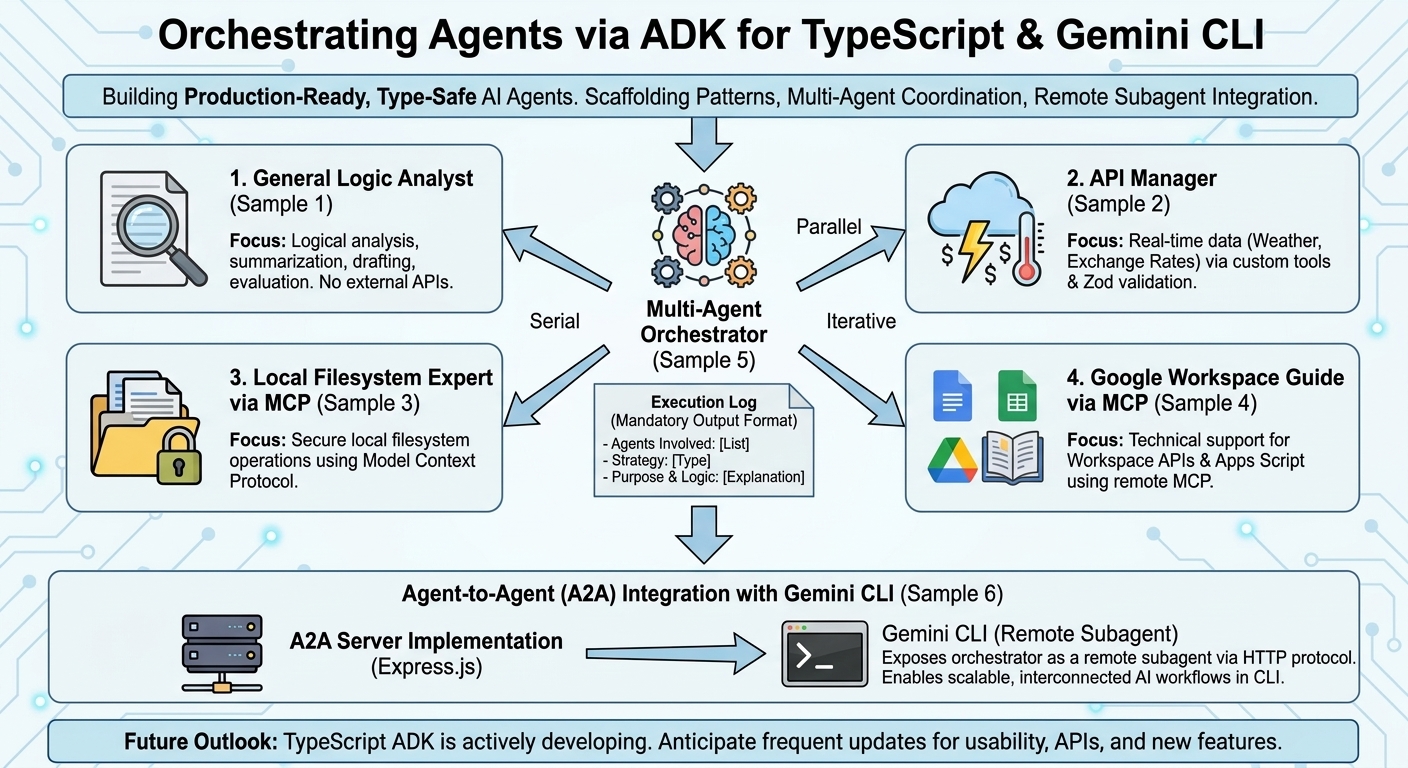
Explore how to build and orchestrate production-ready, type-safe AI agents using Google’s TypeScript Agent Development Kit (ADK). This guide provides practical scaffolding patterns, multi-agent coordination strategies, and seamless integration techniques for deploying remote subagents within the Gemini CLI ecosystem.
Introduction
As the artificial intelligence landscape rapidly evolves, modern generative AI increasingly relies on autonomous agents equipped with sophisticated components, including system instructions, specialized skills, and Model Context Protocol (MCP) servers. To facilitate the development of such AI-driven applications, Google has released the Agent Development Kit (ADK) across multiple programming languages Ref. Among these, the ADK for TypeScript Ref offers distinct advantages for modern engineering paradigms:
Gists

Abstract
This article explores integrating remote subagents built with Google Apps Script into the Gemini CLI using the Agent-to-Agent (A2A) protocol. It demonstrates how bypassing standard authentication via local agent cards enables seamless execution of complex workflows while effectively overcoming Tool Space Interference (TSI) for massive toolsets.
Introduction
Recently, remote subagent support was introduced to the Gemini CLI. Ref With this feature, the Gemini CLI connects to remote subagents using the Agent-to-Agent (A2A) protocol, expanding its capabilities by delegating tasks to external services. I have previously published several articles discussing the A2A server architecture:
Gists

Abstract
This report details an MCP network using Google Apps Script for both server and client, enabling automated, secure Gmail processing to boost efficiency.
Introduction
Recently, I published a report titled “Building Model Context Protocol (MCP) Server with Google Apps Script,” which you can find here. In that initial report, I demonstrated the feasibility of creating an MCP server using Google Apps Script, with Claude Desktop serving as the client.
Gists
Abstract
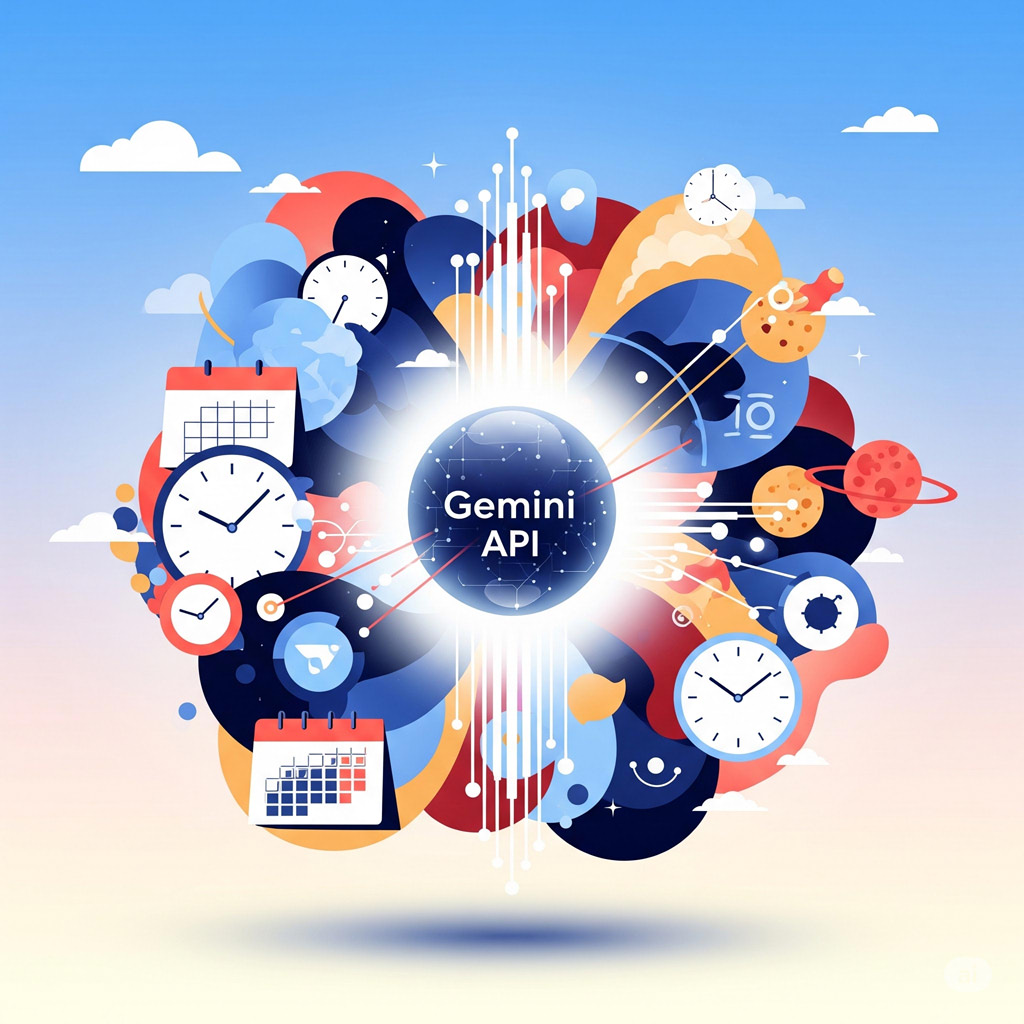
This report investigates how Gemini handles current time information, particularly when using the Gemini API. We found that while the Gemini web interface knows the current time, the Gemini API does not inherently. Therefore, applications must explicitly provide current time information in API calls for accurate time-sensitive responses.
Introduction
The rapidly advancing field of generative AI is enabling increasingly complex tasks, particularly through the use of open protocols like the Model Context Protocol (MCP) and Agent2Agent (A2A) Protocol. These protocols facilitate sophisticated operations that often require accurate and dynamic information, including time-sensitive data. For instance, applications that manage schedules or coordinate events critically depend on precise time information.
Gists
Abstract
This report details transferring image data via Model Context Protocol (MCP) from Google Apps Script server to a Python/Gemini client, extending capabilities for multimodal applications beyond text.
Introduction
Following up on my previous report, “Building Model Context Protocol (MCP) Server with Google Apps Script” (Ref), which detailed the transfer of text data between the MCP server and client, this new report focuses on extending the protocol to handle image data. It introduces a practical method for transferring image data efficiently from the Google Apps Script-based MCP server to an MCP client. In this implementation, the MCP client was built using Python and integrated with the Gemini model, allowing for the processing and utilization of the transferred image data alongside text, thereby enabling more complex, multimodal applications within the MCP framework.
Gists

Abstract
Generative AI faces limits in processing massive datasets due to context windows. Current methods can’t analyze entire data lakes. This report presents a Gemini API approach for comprehensive big data analysis beyond typical model limits.
Introduction
The rapid advancement and widespread adoption of generative AI have been remarkable. High expectations are placed on these technologies, particularly regarding processing speed and the capacity to handle vast amounts of data. While AI processing speed continues to increase with technological progress, effectively managing and analyzing truly large datasets presents significant challenges. The current practical limits on the amount of data that can be processed or held within a model’s context window simultaneously, sometimes around a million tokens or less, depending on the model and task, restrict direct comprehensive analysis of massive data lakes.
Gitst

Abstract
This report builds on prior work using Gemini 1.0 Pro to expand Google Apps Script error messages. It highlights how the script’s execution time limit created a bottleneck, but the introduction of Gemini 1.5 Flash eliminates this issue.
Introduction
After the release of the Gemini API, I previously reported on “Expanding Error Messages of Google Apps Script using Gemini Pro API with Google Apps Script”. Ref In that report, I utilized the Gemini 1.0 Pro model. While expanding error messages proved valuable for understanding script errors in detail, Google Apps Script currently has a maximum execution time of 6 minutes. Ref This meant that processing time for content generation by the Gemini API significantly impacted the total process time when dealing with large scripts, creating a bottleneck.
Gists

Abstract
The Gemini API traditionally required specific prompts for desired output formats. This report explores two new GenerationConfig properties: “response_mime_type” and “response_schema”. These allow developers to directly specify formats like JSON, enhancing control and predictability. We analyze and compare the effectiveness of both properties for controlling Gemini API output formats.
Introduction
One of the key challenges when working with the Gemini API is ensuring the output data is delivered in the format your application requires. Traditionally, the response format heavily relied on the specific prompt you provided. For example, retrieving data as a structured JSON object necessitated including a “Return JSON” prompt within your input text. This approach could be cumbersome and error-prone if the desired format wasn’t explicitly requested.
Gists

Abstract
This report examines leveraging Gemini 1.5 API with Google Apps Script to automate sample input creation during script reverse engineering. Traditionally, this process is manual and time-consuming, especially for functions with numerous test cases. Gemini 1.5 API’s potential to streamline development by automating input generation is explored through applying reverse engineering techniques to Google Apps Script samples.
Gists
Overview
These are sample scripts in Python and Node.js for controlling the output format of the Gemini API using JSON schemas.
Description
In a previous report, “Taming the Wild Output: Effective Control of Gemini API Response Formats with response_mime_type,” I presented sample scripts created with Google Apps Script. Ref Following its publication, I received requests for sample scripts using Python and Node.js. This report addresses those requests by providing sample scripts in both languages.
Gists

Abstract
This report explores controlling output formats for the Gemini API. Traditionally, prompts dictated the format. A new property, “response_mime_type”, allows specifying the format (e.g., JSON) directly. Testing confirms this property improves control over output format, especially for complex JSON schemas. The recommended approach is to combine a detailed JSON schema with “response_mime_type” for clear and consistent outputs.
Gists

Abstract
A new Google Apps Script library, “GeminiWithFiles”, simplifies using the powerful Gemini 1.5 AI model. It lets users directly upload files for content generation or create descriptions for many images at once, making it much faster than prior methods. This is helpful for tasks involving large amounts of text or images.
Introduction
Recently, Gemini, a family of Google’s most capable AI models, has revolutionized various tasks by allowing unstructured data to be used as structured data. This breakthrough is particularly impactful for tasks involving large amounts of text or images.
Gists
Abstract
The Gemini API generates different outputs depending on the prompts. This report explains how to use function calling in the new Gemini 1.5 API to control the output format (string, number, etc.) within a script during a chat session. This allows for more flexibility in using the Gemini API’s results.
Introduction
The appearance of Gemini has already brought a wave of innovation to various fields. When the Gemini API returns a response, the format of the response is highly dependent on the input text provided as a prompt. For instance, to retrieve the output value as a JSON object, you need to explicitly include a prompt like “Return JSON” within your input. However, there can be situations where the API doesn’t return the data in the desired format.
Gists

Abstract
This report explores using Gemini, a new AI model, to parse invoices in Gmail attachments. Traditional text searching proved unreliable due to invoice format variations. Gemini’s capabilities can potentially overcome this inconsistency and improve invoice data extraction.
Introduction
After Gemini, a large language model from Google AI, has been released, it has the potential to be used for modifying various situations, including information extraction from documents. In my specific case, I work with invoices in PDF format. Until now, I relied on the direct search by a Google Apps Script to achieve this task. The script’s process involved:
Gists

Abstract
A new large language model (LLM) called Gemini with an API is now available, allowing developers to analyze vast amounts of data. This report explores trends in Google Apps Script by using the Gemini 1.5 API to analyze questions on Stack Overflow.
Introduction
The release of the LLM model Gemini as an API on Vertex AI and Google AI Studio has opened a world of possibilities. Ref The Gemini API significantly expands the potential of various scripting languages, paving the way for diverse applications. Additionally, Gemini 1.5 has recently been released in AI Studio. Ref We can expect the Gemini 1.5 API to follow suit soon.
Gists

Abstract
The Gemini API allows the generating of text from uploaded files using Google Apps Script. It expands the potential of various scripting languages for diverse applications.
Introduction
With the release of the LLM model Gemini as an API on Vertex AI and Google AI Studio, a world of possibilities has opened up. Ref The Gemini API significantly expands the potential of various scripting languages and paves the way for diverse applications. Also, recently, Gemini 1.5 in AI Studio has been released. Ref In the near future, Gemini 1.5 API will be also released soon.
Gists
Abstract
The Gemini API unlocks potential for diverse applications but requires consistent output formatting. This report proposes a method using question phrasing and API calls to craft a bespoke output, enabling seamless integration with user applications. Examples include data categorization and obtaining multiple response options.
Introduction
With the release of the LLM model Gemini as an API on Vertex AI and Google AI Studio, a world of possibilities has opened up. Ref The Gemini API significantly expands the potential of various scripting languages and paves the way for diverse applications. However, leveraging the Gemini API smoothly requires consistent output formatting, which can be tricky due to its dependence on the specific question asked.
Gists
Abstract
Gemini API on Vertex AI/Studio unlocks new applications with data retrieval and content generation through function calls. This report explores using the API for reverse engineering with a sample interpreter in Google Apps Script.
Introduction
The recent release of the LLM model Gemini as an API on Vertex AI and Google AI Studio unlocks a vast potential for new applications and methodologies. It significantly expands capabilities across diverse situations, paving the way for groundbreaking applications. Notably, the Gemini API allows data retrieval and content generation through function calls. In my recent report, “Guide to Function Calling with Gemini and Google Apps Script”, I explore function calls as a launchpad for various applications. This report showcases reverse engineering using the Gemini API, with a sample interpreter for creating sample values from a given regex using Google Apps Script.
Gists
Abstract
The Gemini API can now do semantic searches, going beyond content generation. This means it can understand the meaning of your search and provide better results, even if your words don’t exactly match the data. This report introduces the enhanced search capabilities of the Gemini API.
Introduction
The Gemini API expands its potential beyond content generation to encompass powerful semantic search capabilities. Searching existing data is crucial in various situations. However, before the introduction of generative AI, traditional search methods relied solely on keyword matching. Recent advancements in semantic search have introduced similarity search, allowing for a more nuanced understanding of queries. Combining this with the generative power of the Gemini API can significantly enhance the search results of existing data. This report explores the possibilities of enhanced search using the Gemini API.
CorporaApp was updated to v1.0.3.
-
v1.0.3 (March 6, 2024)
- New method of getChunk was added. When this method is used, you can retrieve a single chunk using the resource name of chunk.
You can see the detail information here https://github.com/tanaikech/CorporaApp
CorporaApp was updated to v1.0.2.
You can see the detail information here https://github.com/tanaikech/CorporaApp
Gists
Abstract
New Gemini API opens doors for developers to integrate its AI power into apps, potentially impacting education, healthcare, and business. The latest Gemini 1.5 brings even more features. This report showcases an image bot using Gemini as one example of its diverse applications. Showcasing its diverse application potential across various fields.
Introduction
The recent release of Gemini as an accessible API on Vertex AI and Google AI Studio empowers developers to integrate its vast capabilities into their applications, potentially revolutionizing fields like education, healthcare, and business. Adding even more powerful features with the recently announced Gemini 1.5, this tool promises even greater impact. Ref and Ref I believe Gemini significantly expands the potential for diverse applications across various fields. To showcase its potential, this report introduces an image bot using Gemini with Google Apps Script and Google Drive. This is just one example of the many compelling use cases developers can build with Gemini.
Gists
Abstract
Powerful AI tool Gemini’s API release (Vertex AI & Google AI Studio) opens doors for diverse applications. Its recent upgrade to version 1.5 boosts capabilities. This report demonstrates using simple Google Apps Script function calls to leverage Gemini’s power for both data retrieval and content generation.
Introduction
The recent release of the LLM model Gemini as an API on Vertex AI and Google AI Studio unlocks a world of possibilities. Ref Excitingly, Gemini 1.5 was just announced, further expanding its capabilities. Ref I believe Gemini significantly expands the potential in various situations and paves the way for diverse applications. Notably, the Gemini API can retrieve new data and generate content through function calls. In this report, I introduce the basic flow of function calling in the Gemini API using a simple Google Apps Script.
CorporaApp was updated to v1.0.1.
You can see the detail information here https://github.com/tanaikech/CorporaApp
Gists
Abstract
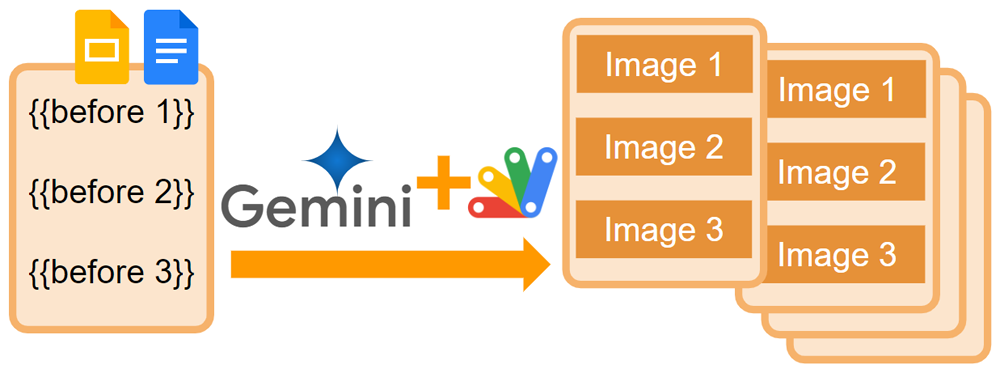
New “semantic search” features in Gemini API help find desired information within its corpora. While using these features with Google Apps Script was complex, a new library simplifies the process. This report proposes using this library with Gemini-generated content to automate template processes in Google Docs and Slides, creating a more flexible workflow.
Introduction
The semantic search opens up a new wind for finding the expected values. Recently, the APIs for managing corpora have been added to Gemini API. Ref When the corpora of Gemini API is used, the semantic search can be effectively achieved. Ref However, when the corpora are tried to be used with Google Apps Script, the script is complicated cumbersome. To address this challenge, I have created a library for managing the corpora using Google Apps Script. Ref With this library, managing corpora becomes effortless, requiring only straightforward scripts.
Gists
Description
In the current stage, v1beta of Gemini API can use the corpora. Ref When the corpora are used, the values can be searched with the semantic search. In the current stage, 5 corpora can be created in a single project. And, each corpus can have 10,000 documents and 1,000,000 chunks. In this report, I would like to introduce a method for achieving the semantic search using the corpora with Google Apps Script.
Gists
Description
I have published “Flexible Labeling for Gmail using Gemini Pro API with Google Apps Script” on December 19, 2023. Today, I published “Categorization using Gemini Pro API with Google Apps Script”.
In this report, as part 2, I would like to introduce 2 sample scripts for flexible labeling for Gmail using the semantic search and the function calling of Gemini Pro API with Google Apps Script.
Gists
Abstract
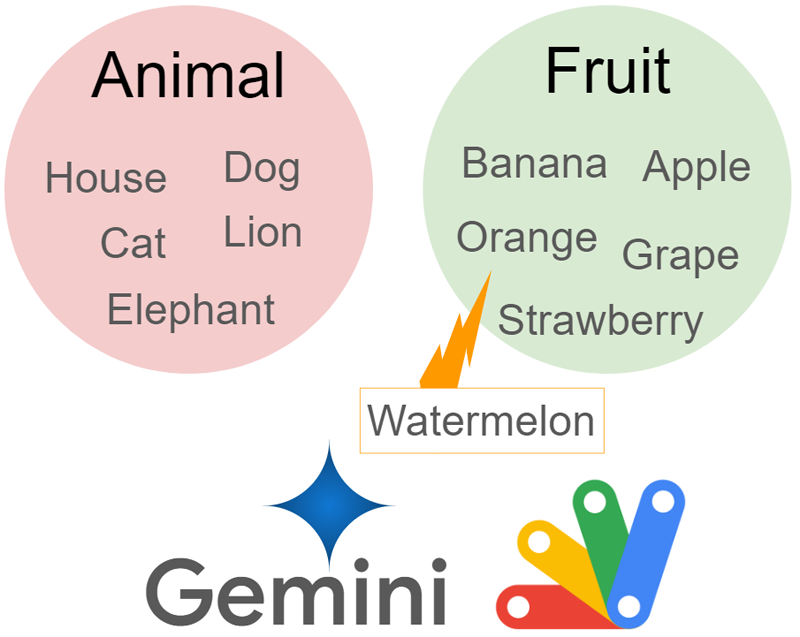
This report explores using the Gemini Pro API with Google Apps Script to achieve flexible data categorization.
Introduction
The recent release of the LLM model Gemini as an API on Vertex AI and Google AI Studio opens a world of possibilities. Ref and Ref I believe Gemini API significantly expands the potential of Google Apps Script and paves the way for diverse applications. In this report, I present the flexible categorization of data using Gemini Pro API with Google Apps Script.
Gists
Abstract
Gemini API unlocks semantic search for Google Apps Script, boosting its power beyond automation. This report explores the result of attempting the semantic search using Gemini Pro API with Google Apps Script.
Introduction
The recent release of the LLM model Gemini as an API on Vertex AI and Google AI Studio opens a world of possibilities. Ref and Ref I believe Gemini API significantly expands the potential of Google Apps Script and paves the way for diverse applications. In this report, I present a result for attempting the semantic search using Gemini Pro API with Google Apps Script.
Gists
Description
When the generated text can be automatically inserted into the cursor position of Google Document, Google Spreadsheet, and Google Slide, it will be useful for users. This report introduces sample scripts for achieving this.
Sample scripts
Here, I would like to introduce 3 sample scripts for a Google Document, a Google Spreadsheet, and a Google Slide.
Create an API key
These sample scripts request Gemini Pro API using an API key. So, please create your API key.
Gists
Abstract
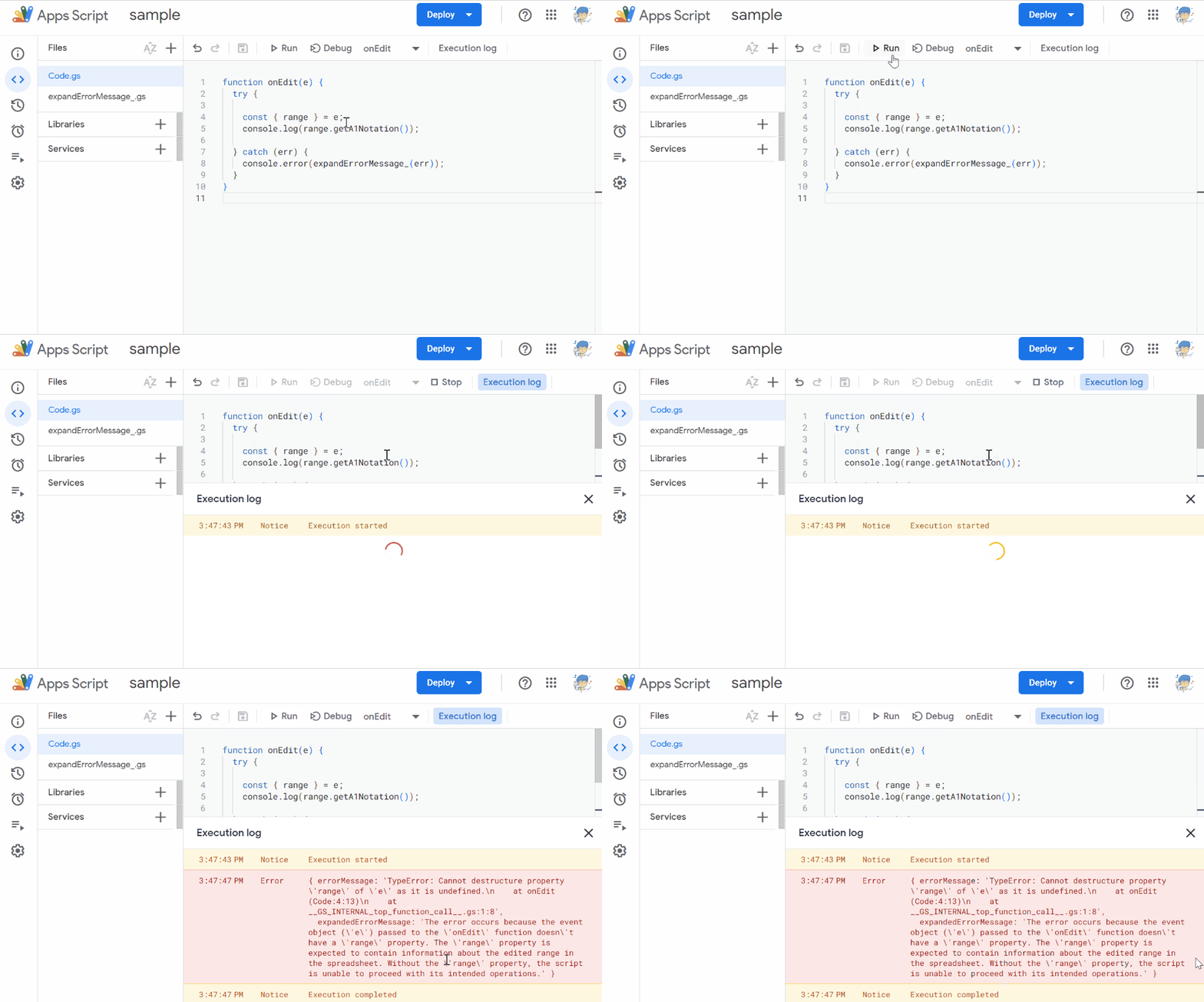
It is considered that when the current error message of Google Apps Script is expanded, it will be useful for a lot of users. This report introduces a sample script for expanding the error message of Google Apps Script using Gemini Pro API with Google Apps Script.
Introduction
The recent release of the LLM model Gemini as an API on Vertex AI and Google AI Studio opens a world of possibilities. Ref and Ref
Gists
Abstract
The release of Gemini API is expected to expand the future of Google Apps Script. This report introduces a sample script for flexible email labeling in Gmail using Gemini API with Google Apps Script.
Introduction
The recent release of the LLM model Gemini as an API on Vertex AI and Google AI Studio opens a world of possibilities. Ref and Ref I believe Gemini API significantly expands the potential of Google Apps Script and paves the way for diverse applications. In this report, I present a sample script for flexible email labeling in Gmail using Gemini Pro API with Google Apps Script.
Gists
Abstract
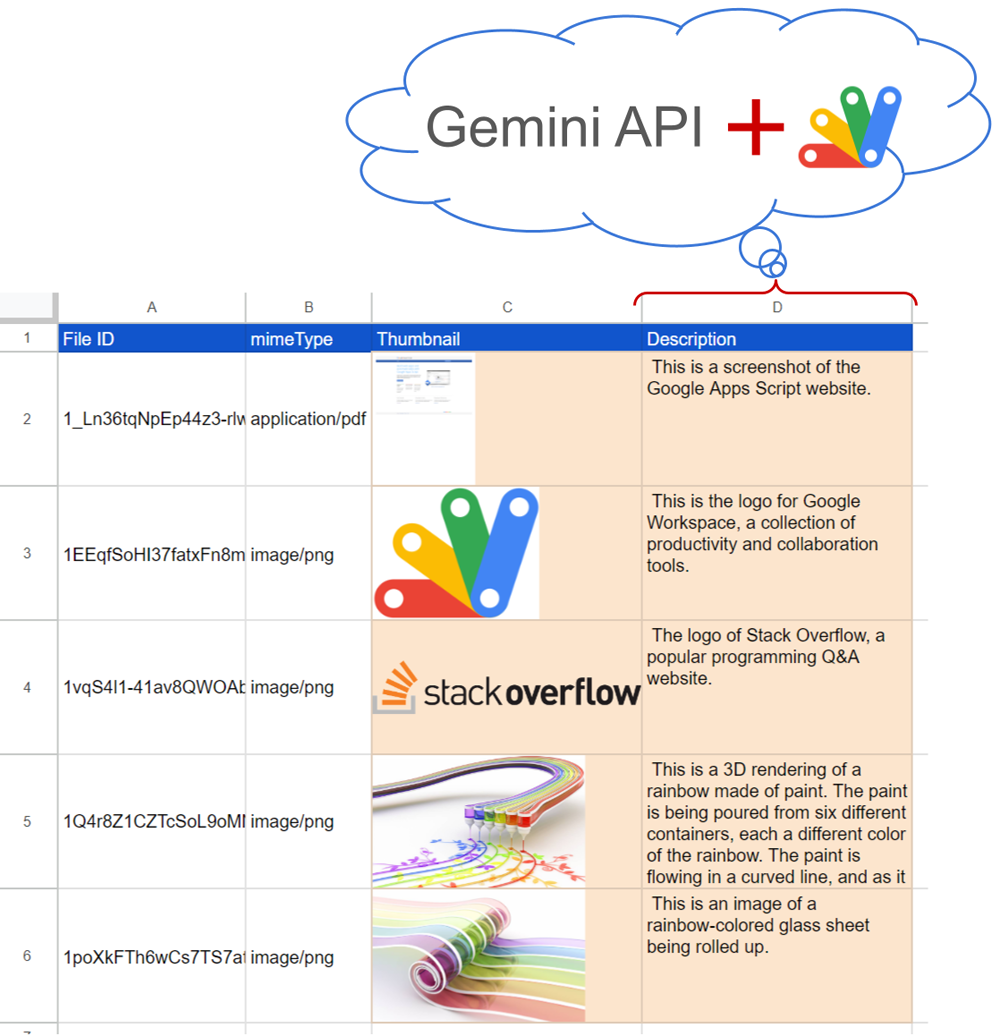
Gemini LLM, now a Vertex AI/Studio API, unlocks easy document summarization and image analysis via Google Apps Script. This report details an example script for automatically creating the description of the files on Google Drive and highlights seamless integration options with API keys.
Introduction
Recently, the LLM model Gemini has been released and is now available as an API on Vertex AI and Google AI Studio. Ref and Ref This report presents a simple Google Apps Script example for automatically creating descriptions of files on Google Drive using the Gemini Pro API. It is considered that when the description of files on Google Drive can be easily created, it will help users manage a lot of files.