My report has been published on the Blog of Google Cloud
My report has been published on the Blog of Google Cloud.
Blog
Efficient File Management using Batch Requests with Google Apps Script
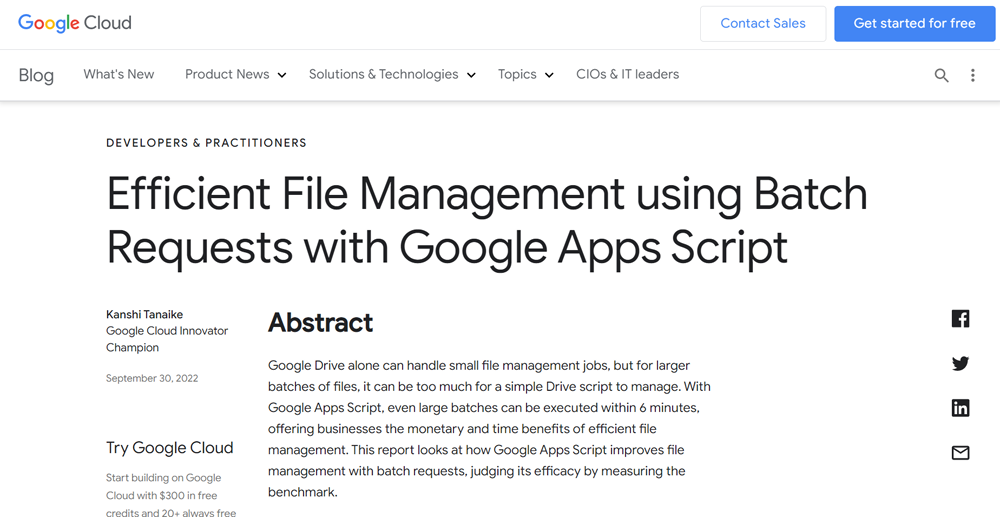
My report has been published on the Blog of Google Cloud.
Efficient File Management using Batch Requests with Google Apps Script
This is a sample script for retrieving the batch path for using the batch requests using Google Apps Script.
After August 12, 2020, in order to use batch requests, the batch path is required to be used to the endpoint of the batch requests. And, the batch path is sometimes updated. So, when a constant batch path has been continued to be used, this might lead to the reason for an error. In this sample script, the batch path is retrieved from Discovery API. By this, the latest batch path can be always obtained.
v1.2.0 (September 30, 2022)
You can check this at https://github.com/tanaikech/BatchRequest.
This is a Google Apps Script library for supporting Document service, Docs API, Spreadsheet service, Sheets API, Slides service and Slides API. The aim of this library is to compensate the processes that they services cannot achieve.

v1.2.0 (September 29, 2022)
getNamedFunctions(). This method can retrieve the named functions from Google Spreadsheet.You can see the detail information here https://github.com/tanaikech/DocsServiceApp
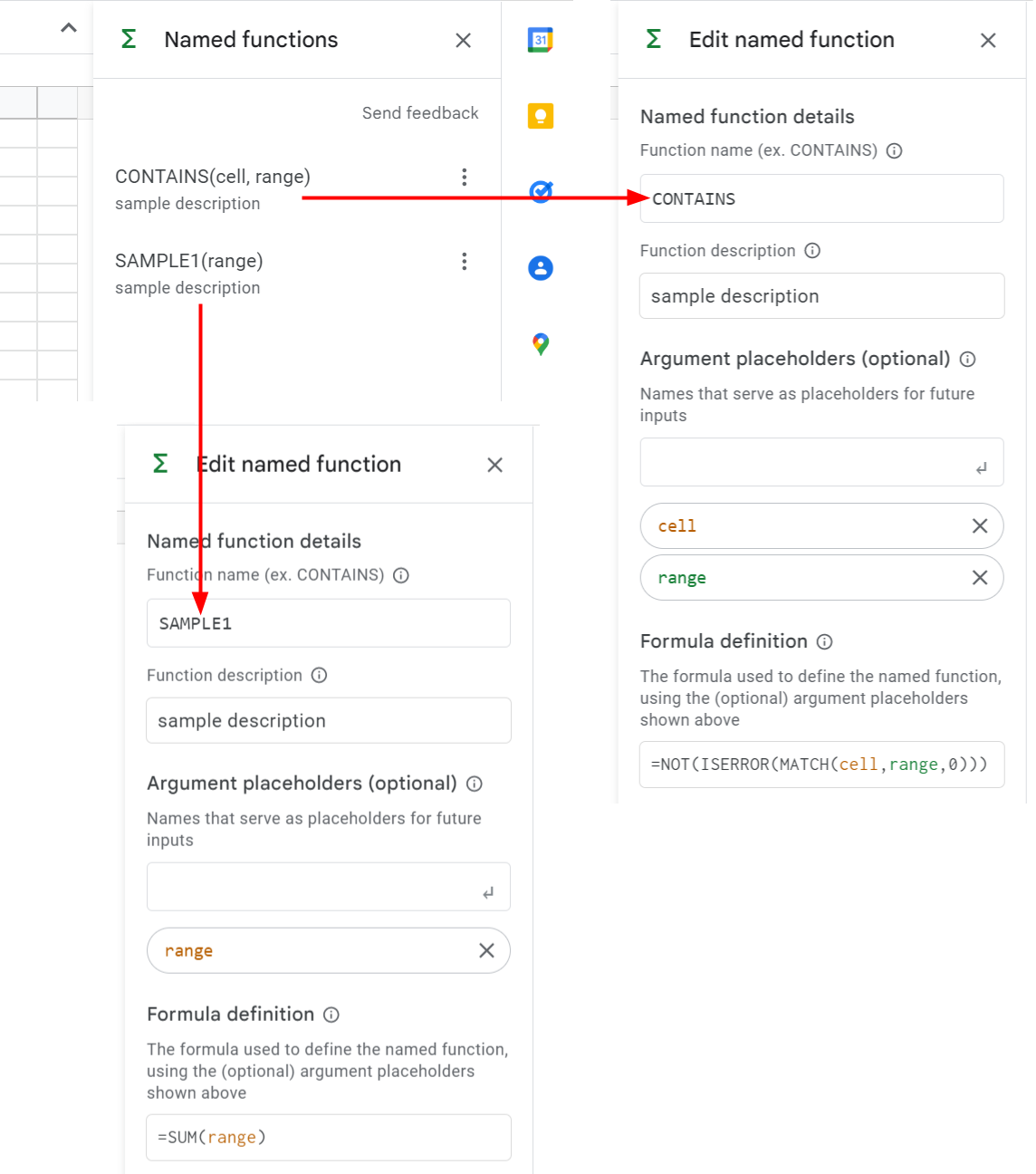
This is a sample script for retrieving the named functions from Google Spreadsheet using Google Apps Script.
Recently, the named functions got to be able to be used in Google Spreadsheet. Ref When several named functions are added, I thought that I wanted to retrieve these functions using a script. But, unfortunately, in the current stage, it seems that there are no built-in methods (SpreadsheetApp and Sheets API) for directly retrieving the named functions. So, I created this sample script.
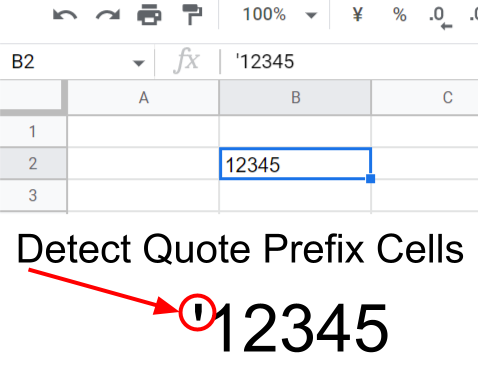
This sample script retrieves the cell coordinates of cells with the quote prefix. In Google Spreadsheet, when a single quote is added to the top letter of the cell value, the cell is used as the text value. When we want to search the cells with the quote prefix in Spreadsheet, unfortunately, in the current stage, this cannot be achieved using Spreadsheet service (SpreadsheetApp) and Sheets API. In this method, such cells can be retrieved. The output values are the cell coordinates of the cells with the quote prefix.
This is a Google Apps Script library for supporting Document service, Docs API, Spreadsheet service, Sheets API, Slides service and Slides API. The aim of this library is to compensate the processes that they services cannot achieve.

v1.1.0 (September 28, 2022)
getQuotePrefixCells(). This method can detect the cells with the quote prefix cells.You can see the detail information here https://github.com/tanaikech/DocsServiceApp
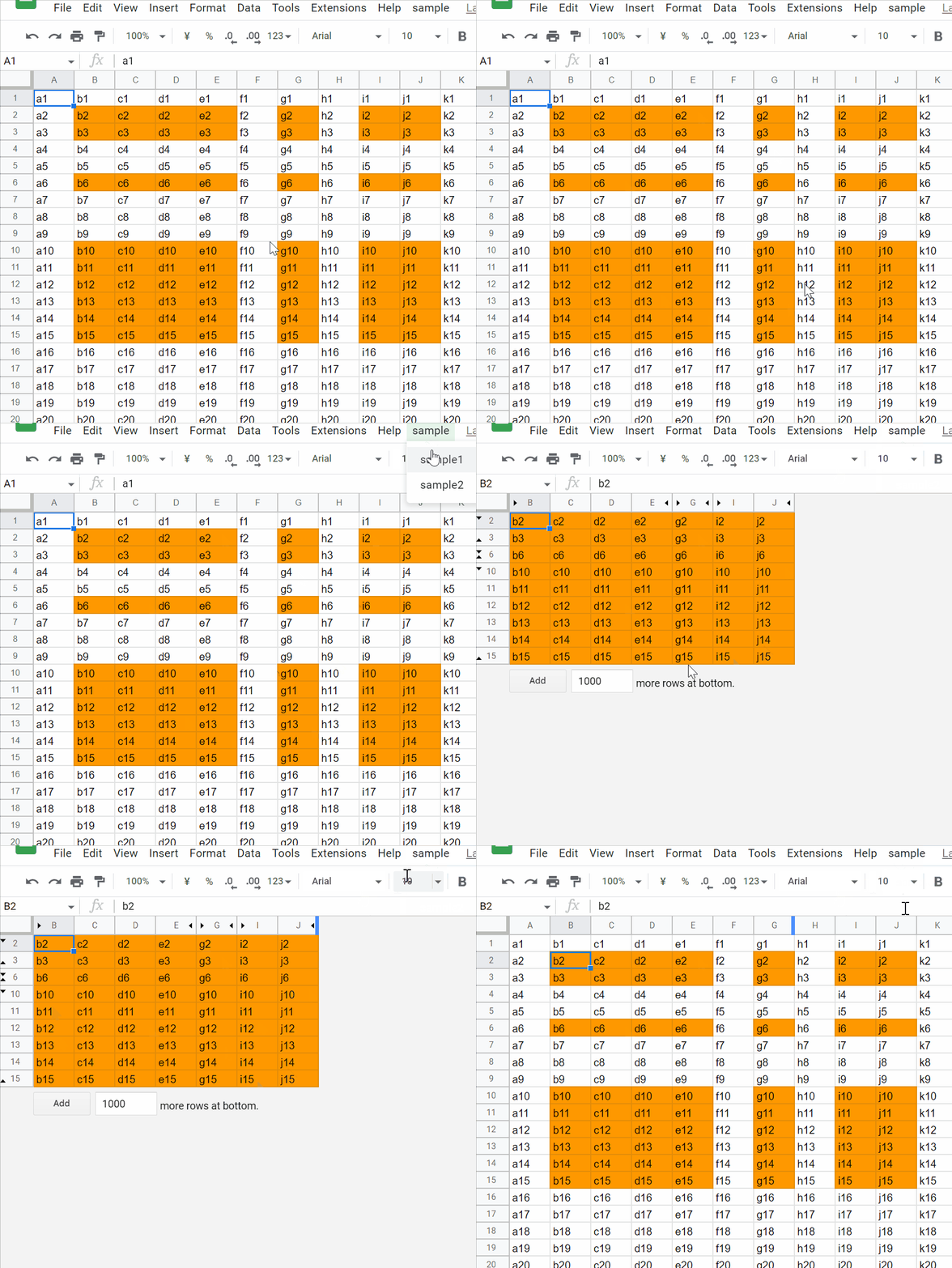
This is a sample script for showing the specific rows and columns in Google Spreadsheet using Google Apps Script.
When you export a Google Spreadsheet as a PDF file, you might have a case where you want to export the specific rows and columns in a sheet. In this post, I would like to introduce the sample script for achieving this.
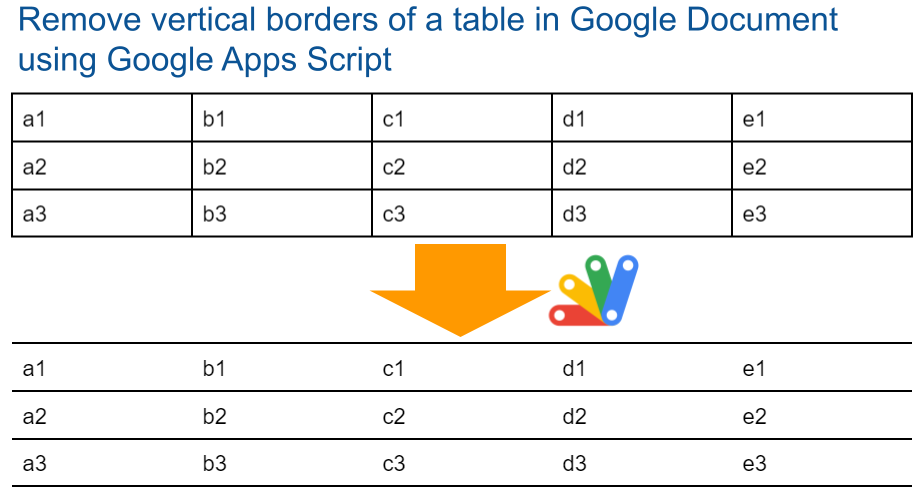
These are sample scripts for removing the vertical borders of a table in Google Document using Google Apps Script.
Unfortunately, in the current stage, only the vertical borders cannot be removed from the table in Google Document using the Google Document service (DocumentApp). I believe that this might be resolved in the future update. But, in the current stage, when Google Docs API is used, this can be achieved. So, Google Docs API can be used as the current workaround. But, I thought that the combination of Google Document service (DocumentApp) and Google Docs API might be a bit complicated. So, I would like to introduce 3 sample scripts.
This is a sample script for retrying UrlFetchApp of Google Apps Script when an error occurs.
When the HTTP request is run using UrlFetchApp, there is a case that an error occurs in various situations. And, there is a case that when the request is run again, no error occurs. This sample script can automatically retry the requests using Google Apps Script.
This is Class RetryFetch.
/**
 * UrlFetchApp is run by retrying when an error occurs.
 */
class RetryFetch {
  /**
   * @param {string} url URL
   * @param {object} params Object
   * @param {number} numberOfRetr Number of retry when an error occurs with the HTTP request.
   * @param {number} waitTime Wait time between the HTTP request.
   * @return {UrlFetchApp.HTTPResponse}
   */
  constructor(url, params = {}, numberOfRetry = 2, waitTime = 3) {
    this.url = url;
    if (!params.muteHttpExceptions) {
      params.muteHttpExceptions = true;
    }
    this.params = params;
    this.numberOfRetry = numberOfRetry;
    this.waitTime = waitTime;
    this.his = [];
  }

  fetch() {
    const res = UrlFetchApp.fetch(this.url, this.params);
    const statusCode = res.getResponseCode();
    this.his.push({ date: new Date(), params: this.params, statusCode });
    if (statusCode != 200 && this.numberOfRetry > 0) {
      console.log(`Status code: ${statusCode}, Retry: ${this.numberOfRetry}`);
      const idx = this.his.length - 1;
      this.his[idx].responseHeader = res.getAllHeaders();
      this.his[idx].error = res.getContentText();
      this.numberOfRetry--;
      Utilities.sleep(this.waitTime * 1000);
      this.fetch();
    } else if (this.numberOfRetry == 0) {
      return null;
    }
    return res;
  }

  /**
   * Return history of fetch requesting in this Class.
   * @return {array} History.
   */
  get history() {
    return this.his;
  }
}
This is a sample script for using Class RetryFetch.
Registered Application Name: Workspace & Gemini AI Orchestration Engine
This web page serves as the official homepage and privacy compliance interface for the application "Workspace & Gemini AI Orchestration Engine". This specialized developer utility is designed to research, benchmark, and optimize advanced integrations between Google Workspace services, the Google Apps Script API, and Gemini AI models (via Google Vertex AI / Gemini API endpoints).
The application facilitates automated multi-agent scaffolding, programmatic script deployment, project resource management, and structural analysis of Google Apps Script projects. It allows developers and autonomous AI agents (operating via Model Context Protocol / MCP) to securely evaluate execution performance, implement high-performance batch requests, and test agent-to-agent (A2A) workflows within a controlled and structured environment.
Our application explicitly requests access to specific Google user accounts through OAuth scopes required strictly for interacting with the Google Apps Script API and Google Workspace endpoints. This access is utilized solely to execute user-initiated or agent-orchestrated programmatic operations—such as creating, modifying, deploying, or benchmarking script projects and executing automated workflows. No background automated extraction occurs without explicit session initiation.
Adhering to a strict Zero-Retention Model, this application does not store, log, or persist any personal data, OAuth tokens, script source codes, or Google account configurations on any external server, database, or persistent storage medium. All data processing and API responses are handled entirely in-memory or securely on the client side within the active session context, ensuring complete cryptographic transient isolation.
We maintain absolute data privacy. No data accessed via Google OAuth scopes is shared, sold, rented, or transferred to third-party entities, advertising networks, or data brokers. All data transmissions are strictly point-to-point, encrypted in transit using industry-standard protocols, and limited entirely to the direct channel between the execution environment and Google's official API gateways.
For inquiries regarding this developer application, technical benchmarks, or verification compliance, please refer to the official documentation and repositories linked on this homepage (tanaikech.github.io).